

By Brian Magiri,
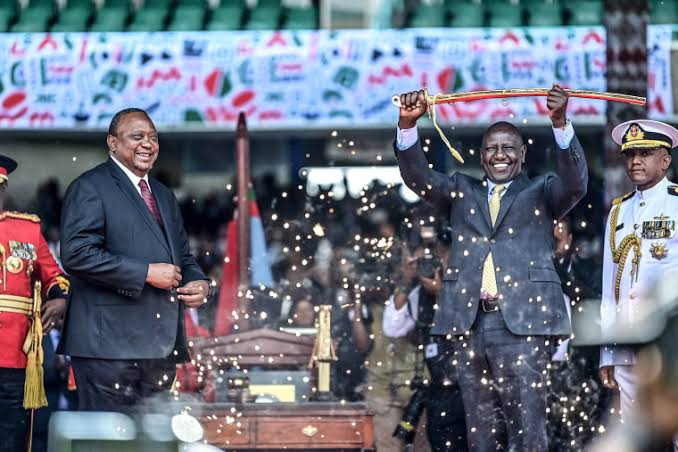
It’s been one year since President William Ruto assumed office, leading the Kenya Kwanza Government, and the mood across the country is far from celebratory. As the government reaches this milestone, the nation reflects on the promises made during the election campaign and the stark realities that Kenyans face today.
Before ascending to the presidency, Ruto had campaigned vigorously, promising to fix the country’s issues inherited from the previous administration. Among his key pledges were job creation for the youth, a reduction in the cost of living, and improved access to healthcare through the National Hospital Insurance Fund (NHIF).
One of Ruto’s most significant promises was the creation of jobs for the nation’s youths. However, despite high expectations, the job market remains stagnant, with no visible signs of progress. Many young Kenyans are still grappling with unemployment and uncertain futures.
The assurance of a reduced cost of living within 100 days of Ruto’s presidency has also proven elusive. The price of basic commodities, such as maize flour (unga) and sugar, has skyrocketed, putting a heavy burden on the shoulders of ordinary citizens. A bag of maize flour now commands a price tag of 200 Kenyan shillings, and sugar has soared to an astonishing 500 Kenyan shillings per kilogram.
Moreover, the cost of fuel, a critical component of daily life for Kenyans, has reached unprecedented heights, reaching 200 Kenyan shillings per liter. This is a far cry from the promised relief, leaving many Kenyans struggling with rising transportation costs and increased expenses.
On the healthcare front, the government’s pledge to make NHIF services free for all Kenyans has taken a U-turn. President Ruto recently announced that Kenyans would now have to pay for NHIF coverage, a sharp deviation from the initial promise.
In addition to these concerns, the government’s tax policies have also drawn criticism. Schools offering extra-curricular activities, such as swimming, are now facing additional taxes for maintenance purposes, further straining an already overburdened populace.
While it is acknowledged that one year may not be sufficient to fully assess the government’s performance, Kenyans are eager to see tangible efforts in addressing the nation’s pressing issues. Many citizens continue to suffer, struggling to afford basic necessities, and are in dire need of a brighter economic outlook.
As Kenya looks ahead to the coming years, there is an expectation that the government will redouble its efforts to fulfill the promises made to the people. The challenges are daunting, but the nation’s future depends on the ability of its leadership to deliver on these critical pledges and uplift the lives of its citizens.
 Tongoa media